Showing posts with label Asian Cuisine. Show all posts

Wednesday, August 31, 2011

Oh, You Little Dumpling!

I just returned from dinner at a place here in San Francisco called Shanghai Dumpling King, where Michele and I enjoyed their famous Xiao Long Bao, or, as it’s also known, Shanghai soup dumplings. I got the tip from my friend, Amy Sherman, from Cooking with Amy, and she was not kidding. They were so incredibly good.

The photo is of some crab and pork dumplings I just posted on Instagram (btw, if you want to follow my foodie adventures in all their photographic glory, you should get that app). When I got home, I went to YouTube to try and find a how-to video for it, and lo and behold, there was a great one…shot in the exact same restaurant we had just left! I love when that happens.

Anyway, this comes from the fine folks at Chow.com, and features chef Andrea Nguyen, author of the celebrated cookbook, Asian Dumplings, and Shanghai Dumpling King’s chef and owner Lu Kuang. Enjoy!

Monday, July 11, 2011

Coconut Milk Red Curry Beef Short Ribs and Cauliflower - A Classic American Curry

If I had to (like at gun point) "invent" a new fusion cuisine, I'd go with "American Curry." It would combine the best of our country's classic stews with the exotic spices we associate with the cuisines of Asia. This simple, braised beef short ribs recipe is a good example of what that style of cooking could produce.

I really love to eat this kind of food. Who doesn’t love a nice batch of slow-cooked short ribs, but we can get in a rut with how they're presented. That's not an issue here, as the spicy-sweet, aromatic sauce makes them anything but ordinary. We should take a lesson from the lands of curry, and realize that comfort foods don't have to be bland to work their soul-warming magic.

I'm already getting excited thinking up American curry variations for things like chicken and biscuits, Texas chili, and Irish stew. This could be fun. Of course, I'd love to hear which iconic American stews you like to see given this treatment. Enjoy!


Ingredients:
4 pounds beef short ribs
salt and pepper as needed
1 tsp garam masala
cayenne to taste
2 tsp vegetable oil
1 onion, chopped
1 tsp red curry paste, or to taste
2 tbsp tomato paste
4-6 cloves garlic
1 cup coconut milk
2 cups chicken broth
2 bay leaves
1 star anise
1 tsp fish sauce, or to taste
1 head cauliflower
4 green onions, chopped
1 cup chopped basil leaves

Thursday, June 30, 2011

Spicy Coconut Shrimp Bisque – It's the Besh!

This spicy coconut shrimp bisque recipe was inspired by a similar soup I saw Chef John Besh make during a demo I attended at the Atlanta Food & Wine Festival. As I watched him make it, I couldn't wait to get back to San Francisco to give it a try.

How close is this to his version? I have no idea, as I was drunk on tequila. Besides the coconut milk, I can barely remember what he put in it. After doing a pre-show shot with his assistants, Besh jokingly instructed the floor staff to pour the audience a shot. Minutes later, much to his delight, shots of tequila were distributed throughout the room.

Just that would have made for an amusing anecdote, but it didn't stop there. By the time the demo ended 45 minutes later, we had enjoyed five rounds of drinks, with Besh and his sous chef more than keeping pace. Remarkably, when the show ended, the well-oiled chef had managed to produce a seriously delicious looking bisque with dumplings. What a show off.

Anyway, I know it's been a while since I posted a real video recipe, but I really think this one will have been worth the wait. I loved how this turned out, and I think you will as well. I hope you give it a try, and maybe tweak it with some different combinations of seafood and garnishes. Cheers! Err, I mean, enjoy!


Ingredients:
1 pound shrimp, shells reserved
2 1/2 cups water
4 tablespoons butter, divided
1/3 cup chopped green onions
1/3 cup diced celery
1/4 diced jalapeno
1/4 cup flour
2 cups prepared tomato soup
1/2 cup coconut milk
1/4 teaspoon red curry paste, or to taste
salt and/or fish sauce to taste
basil chiffonade
rice crackers

Friday, June 3, 2011

Mahi Mahi with Spicy Thai Chili Mango Sauce and a Lesson Well Learned

Making this mahi mahi with spicy Thai chili mango sauce recipe didn't have me dreaming of tropical beaches, or some exotic outdoor market in southeast Asia. No, it reminded me of getting yelled at in the back of some dingy prep kitchen, a very long time ago.

I was given a recipe to make by an old French chef for a tomato pasta sauce. The first step was sweating a finely minced mirepoix in some olive oil. Since it was a fairly large batch, I decided to use the food processor to mince the carrots, celery and onions. Le chef was not le happy.

After teaching me a few new, colorful French phrases, he explained that while a mechanically minced mirepoix may look similar to a hand minced one, they were very different. He told me when you use a food processor, the vegetables are torn into tiny pieces, as opposed to being cleanly cut.

There is way more damage done to the cellular structure, and depending on the ingredient, that can create a noticeably different taste and texture than using a sharp knife and a little elbow grease, or as I believe it's called in France, elbow butter.

Anyway, this mango sauce is an example of how much I took that lesson to heart. For all I know that culinary theory has been debunked by Alton Brown, or some other food wonk a long time ago, but I don't care. I'll always believe my spicy mango sauce tastes better because I cut it by hand. Thanks chef! Enjoy.

UPDATE: I just listened to this video recipe again, and am proposing a new drinking game where every time I say "beautiful," you have to do a shot. ;-)


Spicy Thai Chili Mango Sauce Ingredients: (note everything in this is "to taste")
3/4 cup finely minced mango
1/2 small Thai chili, minced very fine
1 teaspoon sambal chili sauce, or other similar chili paste
1 large clove garlic, crushed fine
1/4 cup seasoned rice vinegar
juice from one lime
1 tablespoon chopped fresh cilantro

Tuesday, May 10, 2011

The Ravenous Couple's Bánh Cam – Starring Mom and Dad

Photo (c) The Ravenous Couple
This video recipe for bánh cam (or bánh rán) comes to us from Kim and Hong, the very talented duo who publish The Ravenous Couple. They were at my Foodbuzz Festival panel discussion on video blogging, and as some of you may remember, I promised to share any videos those participants sent my way. 

Kim and Hong posted this as a special Mothers Day tribute, and I think it's a great way to celebrate how these heirloom recipes are handed down from one generation to another. I hope you enjoy watching how to make this popular Vietnamese dessert, and I encourage you to visit their blog to read the full post. Enjoy!

Wednesday, April 6, 2011

Grilled Korean-Style Beef Short Ribs – It's So Flanken Good!

After weeks of damp and dreary weather, the sun is back in control of San Francisco's blue skies, and that means it's time to grill. This video recipe for grilled Korean-style beef short ribs is not so much about the specific recipe, as it is about this lesser-known cut of meat.

It's most commonly sold as "flanken-style," and is nothing more than thin-sliced beef short ribs. We've done several beef short rib recipes on this blog, but all those were cooked low and slow, so the meat's considerable connective tissue has time to breakdown and become tender.

Here, we are only grilling for a few minutes per side, so we're relying on the much thinner cut, and an Asian pear-spiked marinade to achieve a similar succulence. I welcome you to copy my marinade recipe below, as is, but I have to be honest and let you know I never do this the same way twice.

I always include the pear for its sweetness and purported tenderizing abilities, and the soy is pretty much required, but as far as the other ingredients, I play fast and loose. Instead of rice vinegar, sometimes it's lemon and/or lime. Sometimes I'll use ketchup instead of hoisin, or honey instead of brown sugar – you get the idea.

As I say in the video, this is one cut of beef you don't want to grill too rare. It's a very flavorful, but chewy piece of meat to begin with, so in my opinion it needs to be cooked to at least medium to ensure the optimum mouth-feel. By the way, all you "I want mine well-done" people are in luck. This should still be fairly juicy even if cooked all the way through.

Anyway, go talk to your friendly neighborhood butcher, and tell them you want some "flanken-style" beef short ribs, and then give this great grill technique a try. Enjoy!


Ingredients:
4 pounds "flanken-style" beef short ribs, fully trimmed
1 large Asian pear
3 cloves garlic
few thin pieces of fresh ginger
2 packed tablespoons brown sugar
1/4 cup seasoned rice vinegar
1/3 cup tablespoons soy sauce
1/3 cup sherry wine
1 tablespoon hoisin sauce
1 tablespoon sambal or other Asian-style hot sauce
1 tsp sesame oil

Thursday, February 24, 2011

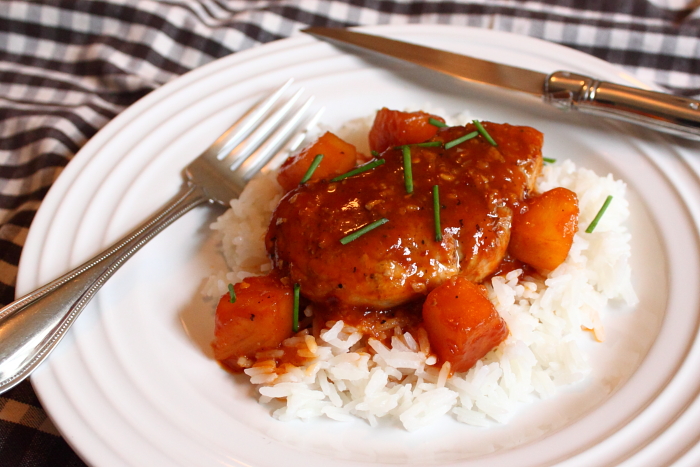
Sweet and Sour Pork Tenderloin Medallions – Half the Fat, All the Inauthenticity

Whenever you see those headlines like, "Worst Take-Out Food Choices Ever," on the various websites, you can be sure that sweet and sour pork will be near the top of the list. 

That's because it's usually made from fatty pieces of pork shoulder, cut into cubes, dipped in a thick batter, deep-fried, and finally coated with a super-sugary, thick, starchy sauce.

I'm no shrinking violet around high-calorie food, but classic Chinese-American take-out sweet and sour pork is basically deep-fried, sugar-coated, fatty pork chunks. And yes, once in a while, it's pretty damn awesome (like twice a decade).

For a more reasonable way to enjoy the same basic flavors, I think this pork tenderloin version is a nice alternative. As I say in the video, pork tenderloin is lean, very easy to cook (as long as you can get past those ridiculous fears about slightly pink pork), and the sauce takes about two minutes to prep.

By the way, this is not simply fake Chinese food; it's actually fake, fake Chinese food. The aforementioned death nuggets we call sweet and sour pork are not even remotely close to any kind of authentic sweet and sour preparation in real Chinese cuisine. Or at least that’s what I heard Anthony Bourdain say one time. Now that's research.

Anyway, I thoroughly enjoyed this plate of florescent food, and if you're a fan of the Chinese take-out version, I believe you will too. Also, I would suggest tossing in some green onions (the white parts) along with the garlic, and save the green tops to garnish with as I did with the chives. Enjoy!


Sweet and Sour Pork Tenderloin Ingredients:
For the sauce:
1/3 cup ketchup
1/3 cup seasoned rice vinegar
reserved pineapple juice from can
2 tablespoons brown sugar
4 cloves minced garlic
1/4 cup chopped green onions, white parts, optional
2 teaspoons Asian hot chili sauce (sambal or sriracha), or to taste
1/4 cup water or chicken broth to thin sauce
1 teaspoon soy sauce, or to taste
For the pork medallions:
1 pork tenderloin, trimmed, cut, flattened into four medallions
salt and fresh ground black pepper as needed
1 tablespoon vegetable oil
1 teaspoon butter
1 can (8-oz) pineapple chunks, drained, juice reserved
4 cups cooked white rice
2 tablespoon chopped green onion tops or chives to garnish

Monday, October 11, 2010

Kung Wow Chicken – Because Who Doesn't Love Fake Chinese Food?

Well, I'm back in lovely San Francisco after our whirlwind trip to New York City, and even though I have a serious case of jetlag, I wanted to post this highly simplified and quite Americanized version of Kung Pao chicken. Of course, I only mention the jetlag to explain any increase in the frequency of typos (I know you'll have my back as usual).

If I ranked my top email requests, "an easy chicken stir-fry" is certainly in the top five. Of course, as I mention in the video, I don't even own a wok, so this isn't technically a "stir-fry," but it's close enough for the internet, so save your cards and letters.

This fairly simple dish is loosely based on the spicy, Chinese take-out classic, Kung Pao chicken. The origins of the name, "Kung Pao" are difficult to trace, especially when you are too tired and lazy to do any research, but I assume the recipe's history is fascinating.

I've pretty much stripped this down to the bare essentials, and
as I mention in the video, it's a recipe that you'll really want to play around with. All the ingredients you see listed below are literally, "to taste."

Speaking of ingredient amounts, the quantities below are what I think the average viewer would find most enjoyable, so don't be alarmed if what you actually see me tossing in is a little more or less. I don't generally measure when cooking something like this, and I think the more often you make it, you'll find yourself becoming just as carefree.

If you like your Kung Pao-esque chicken dishes to be extra saucy, thick, and sticky (more like the traditional Chinese-American take-out style), you can double the sauce ingredients, and almost triple the cornstarch/water mixture. It's really up to you – I just prefer a little lighter version. Enjoy!


Ingredients for 4 Servings Kung Wow (Kung Pao) Chicken
1 pound boneless, skinless chicken breasts. cut into 1-inch cubes
For the marinade:
1 tablespoon white wine
1 tablespoon soy sauce
1 teaspoon brown sugar
white parts from 3-4 green onions, chopped
For the sauce mixture:
1 tablespoon white vinegar
2 tablespoons rice vinegar
2 tablespoons white wine
1 tablespoon soy sauce, or to taste
2 tablespoon brown sugar
1 tablespoon sesame oil
1 tablespoon Asian chili paste (sambal), or more to taste
2 teaspoons ketchup
4 cloves minced garlic
Other ingredients:
2 tablespoons peanut vegetable oil for frying
2 cups cubed zucchini
1 cup cubed red bell pepper
1/2 cup chicken broth
1 tablespoon cornstarch, dissolved in 2 tablespoon water
1/4 cup green onion tops, chopped
handful roasted, salted peanut halves
4 cups cooked white rice

Friday, September 10, 2010

Green Coconut Chicken – This Could Be a Curry Recipe

I was calling this green coconut chicken recipe a curry all the way up until I started writing the post. The problem with calling something a curry is that people expect it to taste like a curry, and that could mean a whole bunch of things, not all of them good. So, I decided to call it something that wouldn’t necessarily recall a strong taste memory.

While there is a nice dose of red curry powder in the braise, it's certainly not the dominate flavor. For something that may seem quite exotic and boldly spiced, this a surprisingly mellow dish. If you've never cooked with coconut milk, this would be a nice recipe to change that.

The coconut milk adds a subtle sweetness and richness that makes it a great vehicle for moving around all kinds of tastes and textures. I've used this same exact procedure for countless versions using beef, pork, lamb, duck, and seafood, with great results. It's not low in fat, but my s
ources deep inside the coconut industry tell me the fat is quite unique and healthful.

Regarding the red curry powder: I decided to use a standard supermarket brand as to make this as accessible as possible. I went with the McCormick Gourmet Collection Red Curry Powder, which contains coriander, cumin, chili pepper, red pepper, and cardamom.

This blend does have some heat to it, but if you like your green coconut chicken on the spicy side I suggest a little extra blast of sambal or sriracha. Enjoy!

UPDATE: We have a report that using regular limes, and leaving them in the stew, made the recipe too biter. I used those small key limes, which are very mild, so mine was fine. So, if using regular limes, maybe best to just use the juice and leave them out. Thanks, Qin.


Green Coconut Chicken Ingredients:
4 full leg sections (thigh and drumstick)
salt
vegetable oil
1 onion, sliced
6 thick slices of fresh ginger
1 tablespoon red curry powder
3 green jalapeño
6 cloves garlic
1/2 bunch green onions, light parts
1 bunch cilantro
1 can coconut milk
2 tablespoons fish sauce or to taste, or soy sauce to taste
1 tablespoon brown sugar
1 lime, juiced
eggplant or zucchini, cut in 1-inch chucks
2 cups sweet potatoes or butternut squash, large cubes
thai basil

Monday, July 26, 2010

A Grilled Salmon Sauce So Simple Even Someone Like You Can Make It

There's a certain art to making a recipe sound very easy and approachable, but at the same time not insulting people's intelligence.

I always get a little chuckle when I see food blog articles that contain wording like, "…for Dummies" or "A Complete Idiot's Guide to…"

Of course, since Food Wishes enjoys the reputation for having the smartest, cleverest, best looking audience in the entire blogisphere, I don't need to resort to such discourteous phraseology (pandering is another story).

Having said that, if you are indeed a dummy, and/or an idiot, pay particular attention to this amazingly simplistic salmon sauce recipe.

I never get tired of this style of grilled fish topping. As I say in the clip, there isn't really anyway to screw this up. As you watch the video, I want you to already be thinking about how you would tweak the formula.

As long as you start with the basic brown sugar and rice vinegar reduction, you can swap out any of the other ingredients to create countless versions.

This is really wonderful on salmon, but equally delicious on swordfish, halibut, tuna, or any other firm, full-flavored fish. I hope you give it a try soon. Enjoy!


Ingredients for 4 portions:
4 (8-oz) grilled salmon filets (by the way, fish was salted before grilling)
2 tablespoons brown sugar
1/4 cup seasoned rice vinegar
1 tablespoon sambal chili sauce, or any spicy Asian-style chili paste
1 tablespoon finely grated fresh ginger or ginger puree
4 cloves garlic, very finely crushed or minced
1 teaspoon soy sauce, or to taste
1/3 cup water
1/4 cup basil chiffonade

Monday, June 14, 2010

Thai Red Curry Beef in Grilled Flank Steak Form

This red curry flank steak recipe represents a departure from my usual game plan regarding marinating meat for the grill.

I norm
ally don't try to make the meat taste like something specific, rather just use whatever vinegar is nearby, some garlic, herbs, and whatever spices strike my fancy at that moment.

This time I actually had an idea. I love Thai food, and in particular red curry beef. If you've never had this amazing dish, it's basically chunks of beef
stew meat cooked slowly in a spicy, aromatic red curry sauce until fork tender. It's clearly one of the top 50 recipes in the history of the world.

So, inspired by this classic Thai recipe, I decided to see if the same sort of flavors could be turned into some sort of marinade for flank steak. I'm so glad I did. The results knocked my socks off.

I made a point to use only ingredients found in your typical higher-end grocery store (like Whole Foods). I really hope you make the effort to find these items, since there really aren’t suitable substitutions.

One note about doneness – as I mention in the video, I like to cook the flank steak to about 132 on the grill which goes up another 5 or so degrees while it rests. This will give you something between medium rare and medium. Rare flank steak is very chewy, and I believe cooking it closer to medium gives a much better texture to the meat.

Having said that, it may look like the meat is a little rarer than that in the video. That's because I started cutting from the thick end, which is going to be rarer – but as you slice towards the thinner end, it will turn medium, and you'll even get a few slice of medium well towards the end.

For this reason flank steak is a perfect choice for a group, since the same piece of meat will provide a range of different doneness'. So, go find those not-so-exotic Asian ingredients and give this delicious beef flank steak recipe a try. Enjoy!


Ingredients:
1 whole beef flank steak, trimmed
3 tablespoon fish sauce
1/4 cup seasoned rice vinegar
3-4 cloves crushed garlic
1 tablespoon finely grated fresh ginger
1 teaspoon hot sauce
1 teaspoon red curry powder
1/2 teaspoon red curry paste

Thursday, May 28, 2009

Caramel Pork Belly - Understanding Unctuous Unctuousness

The only thing more popular than pork belly is using the word "unctuous" to describe it. If you're not familiar with the word, it has several definitions, but in a foodie context it's used to describe something rich, luxurious, and fabulously fatty - think bone marrow, foie gras, and of course, pork belly.

If you're a food writer, and you're doing a review or article about pork belly, you have to use the word unctuous or unctuousness whether you understand what it means or not. Ironically, another meaning for the adjective is, "Characterized by affected, exaggerated, or insincere earnestness."

I wasn't really sure I understood the true essence of unctuousness, but after eating this caramel pork belly I'm
pretty sure I get it now. Each bite was pure pleasure. I'm usually a very fast eater (aka former line cook syndrome), but I tried to eat as slowly as I possibly could. It was just so unctuous.

While I used a very intense Asian-influenced sauce to compliment the rich pork, this same technique could be used for many variations. Once the pork is cooked and crisped-up, I can think of dozens of other sauces that would be stellar.

By the way, if you are concerned about eating that much fat, don't be. The piece of pork belly I used made two fairly modest portions, about 3 1/2-ounces each, once cooked. That's about three tablespoon of fat. That Chicken Caesar salad you had last week because you wanted "something light" had way more fat than that, so relax and enjoy!


If the Vimeo Player isn't working, here is the YouTube version:


10-oz slab of pork belly (Berkshire pork if you can get it)
1 bunch green onions
salt
1/4 cup packed brown sugar
2 tbsp rice vinegar
2 tbsp Asian fish sauce
1/2 tsp soy sauce
1 tbsp ginger juice
4 cloves sliced garlic
4 whole dried red chilies (unbroken)
1/2 cup water

Foodie Note: I almost used this recipe from Michael Ruhlman for Chicken Fried Pork Belly Caesar, which looked and sounded incredible! Maybe next time.

Tuesday, May 26, 2009

Is Authentic Beef Teriyaki Really Better?

You may really love beef teriyaki, and still be completely disappointed with this recipe. I know I'm usually a little more optimistic in my intros, but this is one of those recipes that I know will bring a few emails with messages like, "Thanks for making me waste a good piece of top sirloin - what the hell was that?"

The reason for this is real teriyaki sauce is quite a
bit different than most food court aficionados are used to. Outside of your better Japanese restaurants, what's usually served as teriyaki is a very thick, very sweet, very salty, very one-dimensional sauce.

"Real" teriyaki sauce is fairly thin, and gets its signature taste from a heady combination of soy sauce, Sake, and Mirin, a sweet rice wine condiment. It's an extremely simple sauce, yet the flavors are much more complex that the familiar Americanized version; often made with just soy, brown sugar, and cornstarch.

But just because this recipe is more authentic, and contains classic Japanese ingredients, doesn't necessarily mean you will enjoy it anymore than the thick sweet goo they splash on your meat at Tugboat Tommy's Teriyaki Terrace.

I really hope you give it a try and I'm very anxious to hear what you think. By the way, assuming you do like it, this same sauce can be used on virtually anything with equally delicious results. Enjoy!

Note: this beef teriyaki video recipe was produced for About.com and can't be played on the blog. When you click on the video a new window will open and the recipe will begin.


Blog Widget by LinkWithin

Monday, May 18, 2009

Hoisin-Glazed Barbecued Ribs - No Photos, but Many Delicious Memories

One of the victims of my recent hard disc crash was a roll of photos taken during the filming of this Hoisin-Glazed Barbecued Ribs video recipe. Usually as I cook and film, I have my camera at my side to snap shots along the way. This is especially important at the end of the recipes when I like to get what we call in the business "the money shot."

All those sharp, well-lighted, color-corrected still frames you see in my videos are done with a digital camera, as my cheap camcorder doesn’t perform nearly as well. Here you can see a huge difference in quality, as I had to rely on some frame captures instead of photos.

Adding to the problem is the dark red color of the Hoisin glaze (a very hard hue to film), and the distortion the heat waves add. The result is one slightly annoyed video recipe producer. Thus concludes the venting portion of today's recipe post.

Notwithstanding the photographically challenged nature of this recipe, it sure tasted good. When I do pork spare ribs I usually go with the standard American barbecue rub and sauce, but an abundance of leftover Hoisin sauce and a stray can of pin
eapple juice nudged me further east.

I mention in the video that Hoisin sauce has an interesting story behind it. I probably should have said confusing, rather than interesting, but here it is. According to my extensive research (5 minutes on Wikipedia), "Hoisin" is a romanization of the Cantonese word for seafood. What? Why? It's traditionally served with pork, isn't it?

That was all they had. So, if you have any ideas why Hoisin means "seafood," please let me know (even if you have to make something up). Enjoy!


Ingredients:
Full rack of pork ribs

For the marinade:
1/2 cup Hoisin sauce
6-oz pineapple juice
1 tbsp sambal chili sauce or hot sauce

For the rub:
2 tbsp salt
1/2 tsp 5-spice powder
1 tbsp brown sugar
pinch of cayenne

For the basting sauce:
1/2 cup ketchup
1/4 cup seasoned rice vinegar
1 tbsp soy sauce
1 tbsp Asian fish sauce
2 tbsp Hoisin sauce

Thursday, March 26, 2009

Grilled "Condiment" Chicken with Asian Noodle Salad

I have one more day down here in sunny Arizona, and then it'll be back to cool, breezy San Francisco. I can't wait to see my wife, my kitchen, and my equipment (definitely in that order).

This video for "Condiment Chicken" was named in honor of the few basic, but crucial ingredients I found at the ballpark, which made all the difference with this simple grilled recipe.

One of the best cooking-on-the-road-with-no-stuff tricks ever, is the salad dressing triple play. It's our marinade, noodle salad dressing, and chicken glaze. Spiked with some pilfered hot pepper, ketchup and mustard it was more than delicious.

Anyway, no time for a long, thoughtful post. It's late, and I have to shut it down for tonight - we are leaving early for a game in Scottsdale, then driving north to Flagstaff (any dinner recommendations are welcomed), then it's on the train for an overnight ride to LA, then on to San Francisco, arriving Saturday night.

Since I filmed two recipes, I don't feel too guilty, but I haven’t really been taking many pictures. I will post those I did take when I get back - the train station in LA is really beautiful and I got a few great shots. Enjoy!


Ingredients:
10 chicken thighs
1 bottle Asian sesame salad dressing
2 packets ketchup
2 packets mustard
1/2 tsp hot pepper flakes
3 cloves garlic
1package mung bean cellophane noodles
1 bag shredded carrots
1 bag angel hair shredded cabbage
1/2 cup crushed nut mix (almond, cashew, peanut)
salt and fresh ground black pepper to taste

Friday, February 27, 2009

Faux Pho - Rhymes with D'oh - Spicy Vietnamese Beef Noodle Soup

This video recipe is my fairly weak attempt at the famous Vietnamese spicy beef noodle soup, Pho. As I shopped for the ingredients, I had a nice package of beef oxtail in my hand, but since I was just making a small batch, and I already had two beautiful beef shanks in the basket, I decided to not get them. That was a mistake.

While this beef noodle soup wasn't bad, it wasn't spectacularly great w
hich is what Pho should be. The signature of this soup is a very rich, deeply flavored, collagen-infused beef broth. I overestimated the beef shanks, and it was lacking exactly what the oxtails would have added.

Also, to add to this Pho's fauxness, I went pretty light on the spices. Real Pho has more of the aromatic spices you'll see in the video. I also didn’t add the extra sliced beef that is traditional, like brisket, flank, and thinly sliced, rare filet mignon. I also didn’t char the ginger, which is recommended. I also didn't pronouce Pho correctly - I say, "Pho," when it's actually more like, "Fuh." Despite all this, I still had a pretty nice beef soup, but it really made me crave a real Pho.

Don’t get me wrong, I encourage you to make this recipe - the technique you'll see is fairly accurate, but I advise yo
u to add a couple pounds of oxtails, and maybe twice the spices. Also, for homework, find the nearest Vietnamese restaurant and order a bowl of Pho so you can see what we are trying to do here. Enjoy!


Ingredients: (these are not what I used in the video, but what I wish I did):
2 beef shanks, and 2 lbs oxtails
1 tbsp oil
1 onion
2 whole cloves
6 clove garlic
1 bay leaf
1 cinnamon
stick
1 tsp fennel seeds
1 tsp whole coriander
1 cardamom pod
6 whole star anise
6-inch piece ginger sliced, (browned with the beef)
2 tbsp sugar
1 tbsp soy sauce
2 tbsp fish sauce
3 quarts water (some will evaporate, you'll have about 2 quarts strained)

In the bowl:
rice noodles, prepped
bean sprouts
sliced jalapenos
sambal chili sauce
fresh lime
wedges
fresh herbs - basil, mint and/or cilantro
optional: thinly sliced raw beef tenderloin

Some of my favorite soup video recipes:
Wonton Soup
Bumblebee Soup - A Hearty Bacon, Black Bean and Corn Chowder
French Onion Soup
Spicy Sausage and Kale Soup
Brodo di Manzo with Tortellini and Greens


* Please help support free video recipes, and visit my new sponsor, MOZO Shoes. Find out why chefs (like me) are buzzing about their great shoes!

Wednesday, February 25, 2009

Spicy Orange Bison Balls - Feeding My Inner Adolescent

Balls have always been problematic for menu and recipe writers. You can't write "Pork Balls" on a menu, you have to write "Pork Meatballs." Even though there would be no possibility of confusing these Bison balls with the reproductive parts of a male buffalo, the "balls" would never be written without the "meat." Well, I think it's high time this practice is sacked.

Are we still so immature as a nation that we can't just serve balls? Do we have to keep a
dding those extra letters for fear some 15-year old can't control his giggling at Hooters? Besides, now that 72% of all information (my estimate) is transmitted via text message, I would think we'd all benefit from chopping off a couple letters, e.g., MMA Tonys 4 bison balls.

This recipe is inspired by the retro classic, cocktail meatballs in grape jelly. I took that idea, along with my love of spicy orange beef, and came up with this combination. I chose bison as the meat due to its lower fat, and slight subtle gaminess. The very simple, spicy-sweet sauce with the savory bison balls makes a great pair.

These can be used for a main course over some rice, but are really great served as an Hors d'oeuvre at a party. Just make sure you make enough. These are very addictive, and you don’t want to leave some of your guests hanging. They could get testy. Enjoy!


Ingredients:
1 pound ground bison
2 cloves garlic, minced
1/2 cup plain breadcrumbs
1 egg, beaten
1/2 tsp Worcestershire sauce
1 tsp salt
1/2 tsp fresh ground black pepper
1 tbsp vegetable oil
2 tbsp sambal Asian chili sauce, or red pepper flakes
1/2 cup orange marmalade
1 tbsp soy sauce
1/4 cup rice vinegar
3 cups water


* Please help support free video recipes, and visit my new sponsor, MOZO Shoes. Find out why chefs (like me) are buzzing about their great shoes!

Thursday, February 19, 2009

Green Curry Chicken - That's Hot

For many years hearing the word, "curry" was like fingernails on my culinary chalkboard. Where I'm from, "curry" meant a thick, greasy, bright yellow sauce made with copious amount of turmeric, covering chunks of mystery meat. I know, as good as that sounds, I still didn’t like it.

All through culinary school, and on into my early career in California, even the smell of turmeric made me cringe. It was my Kryptonite.

As the years went by, and my culinary horizons expanded, so did my understanding and appreciation of curries. I learned that the horrible yellow curry from my youth wasn't even really a true curry, and that curries came in almost every color, from countries all over Asia.

My favorite curries today are definitely the Thai red and green curries. Even though it's one of my older, and cruder productions, the Red Curry Beef Stew is still one of my favorite video recipes on the blog.

This green curry chicken recipe was filmed for About.com's Thai site and I was very happy with the results. As usual I take a few shortcuts to make this amazing dish accessible to the average American home cook, but the soul of the dish remains intact.

Traditionally, green curries are considered the "hottest" of all the Thai curries, and as you'll see in the video, the green curry paste, which is the base of the dish, is quite an intense formula.

Having said that, there's plenty of flexibility with how hot
you decide to make it, although it should, at the very least, produce a little sweat (along with the accompanying endorphin rush). Enjoy!

Video Player Note: About.com no longer allows videos to be
embedded off their site. So, to watch these clips just click on the graphic below and off you go. Just, don't forget to come back!

Friday, February 13, 2009

Mango Sticky Rice - A 100% Chocolate-Free Valentine's Dessert

So, you can't or won't eat chocolate, and have been shunned by the rest of society (deservedly so)? What other food blog thinks about posting something for you poor bastards? This one. Here's a video recipe for Mango Sticky Rice that would make a delicious, and still very sexy Valentine's dessert.

Okay, I'll come clean - this video recipe wasn't really done for all you "I don't like chocolate" freaks of nature. It was filmed a while back for the Thai Foods site on About.com. This is one of those desserts that while you're eating it, you're thinking, "Why don't I make this more often?"

I'm not a huge mango fan, and don't generally crave tropical fruit, but there is no more perfect pairing for this uniquely-flavored fruit than a bowl of bright white sticky coconut rice.

You may have to search around a bit for the "sweet rice" called for, but most large grocery stores these days have fairly well-stocked Asian foods areas.

Standard Ethnic Recipe Disclaimer: I'm not Thai. I'm not even part Thai. So, I have no idea how authentic this version is, although I do know I'm not that concerned. I've seen this done using a bamboo steaming basket, which looked pretty cool, but I don't have one of those. Anyway, it tastes good to me and hopefully it will to you too.

For more Thai food info, please feel free to contact Darlene Schmidt, About's guide to Thai food, and tell her Chef John sent you. Enjoy!

> CLICK HERE TO WATCH VIDEO!

Friday, November 21, 2008

I Have Met the Enemy, and He is Me - Please Help Me Win $1,000 Cooking with Kraft Salad Dressing!

I just produced the chicken stir-fry recipe below as part of a contest Kraft is having on Youtube. You have to use one of 10 recipes they have listed and, of course, use the Kraft products described in the recipe.

You've heard me countless times pleading with my viewers to make basic things like dressing, dry rubs, barbeques sauces, etc., at home. Better, cheaper, blah, blah…well, that was befor
e I knew I could win $1,000. I'm now rethinking my whole "take down the corporate processed food industry" business plan. Well, maybe not, but I sure could use the money to help keep the site going.

But seriously, as much as I'd like to think I'm changing my viewer's attitudes about buying and using these processed foods, I realize that there are times, and meals where they do make sense. This chicken stir-fry is a great example. It's super easy, tastes fine, and there's no overly complicated, multi-ingredient sauce to make.

So, you foodies just simmer down, this one's not for you, it's for starving students, bachelors, reality show stars, computer programmers, and other "busy" people. It's infinitely better than buying a frozen stir-fry microwave dinner, that's for sure (unless there's a stir-fry microwave dinner recipe contest I haven't heard about). Enjoy!

Help me, help you…Go to this video page on Youtube and vote for my video, and leave an embarrassingly positive comment. Thanks!!


Ingredients:
8 oz. angel hair pasta (capellini), uncooked
2 cups small broccoli florets
1 lb. boneless skinless chicken breasts, cut into thin strips
1/2 cup KRAFT Asian Toasted Sesame Dressing
2 Tbsp. soy sauce
1/4 tsp ground ginger
1 garlic clove
1/4 tsp crushed red pepper
1/3 cup chopped PLANTERS Dry Roasted Peanuts